
Introduction
It’s common to think that getting an X-ray or MRI is the best way to find out what’s going on when you’re in pain. But scans aren’t always the first or most helpful step. For many injuries and aches, a thorough physiotherapy assessment provides the answers you need — and helps you start recovery sooner.
When Are Scans Helpful?
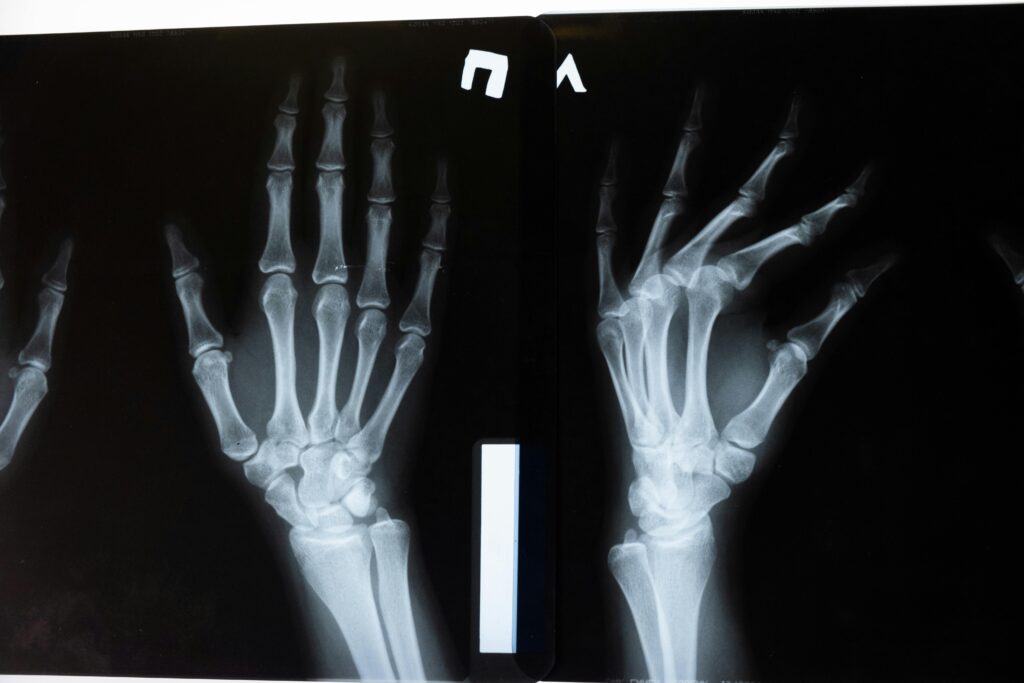
X-rays, ultrasounds, CTs, and MRIs are valuable tools that help diagnose certain conditions, particularly when there’s a need to confirm or rule out something specific — like a fracture, significant tissue tear, or unexplained swelling.
However, not every painful joint or muscle requires imaging. Some scans expose you to small amounts of radiation (like X-rays and CTs), and all come with costs and waiting times. In many cases, your physio can identify the problem and guide effective treatment without a scan.
The Golden Rule: Will It Change What We Do Next?
In healthcare, we often use this question to decide if imaging is necessary:
Will the scan results change how we treat your condition?
If the answer is no, then imaging usually isn’t needed right away. For most muscle and joint issues, careful questioning, physical testing, and movement analysis can pinpoint the likely cause.
Scans may be recommended later if your progress stalls, your symptoms don’t fit the expected pattern, or your physio or GP suspects something more complex.
Making Sense of Scan Results
Many people now receive their scan reports online or through an app before discussing them with a clinician. Reading unfamiliar terms like degenerative changes, meniscal tear, or tendinopathy can sound worrying — but these findings don’t always mean there’s a serious problem.
Research supports this: a study by Culvenor et al. (2019) found that knee MRI scans often show osteoarthritis changes in people without any knee pain or injury — between 4–14% of adults under 40 and up to 43% of adults over 40. These results highlight that normal age-related changes appear on imaging long before they cause symptoms, if they ever do.
This applies to other joints too — shoulder, spine, or hip scans commonly show changes that don’t require treatment.
The Physio Perspective
At Spearwood Physio, we look at the whole picture — your symptoms, how you move, your lifestyle, and your goals — before deciding if imaging is the right next step. When scans are used, we help interpret the findings in plain language so you understand what’s relevant and what’s not.
If you’ve had a scan that left you more confused than informed, bring your report in. We’ll help you make sense of it and develop a clear plan to get you moving comfortably again.
References
Culvenor, A. G., Øiestad, B. E., Hart, H. F., Stefanik, J. J., Guermazi, A., & Crossley, K. M. (2019). Prevalence of knee osteoarthritis features on magnetic resonance imaging in asymptomatic uninjured adults: a systematic review and meta-analysis. British journal of sports medicine, 53(20), 1268–1278. https://doi.org/10.1136/bjsports-2018-099257