
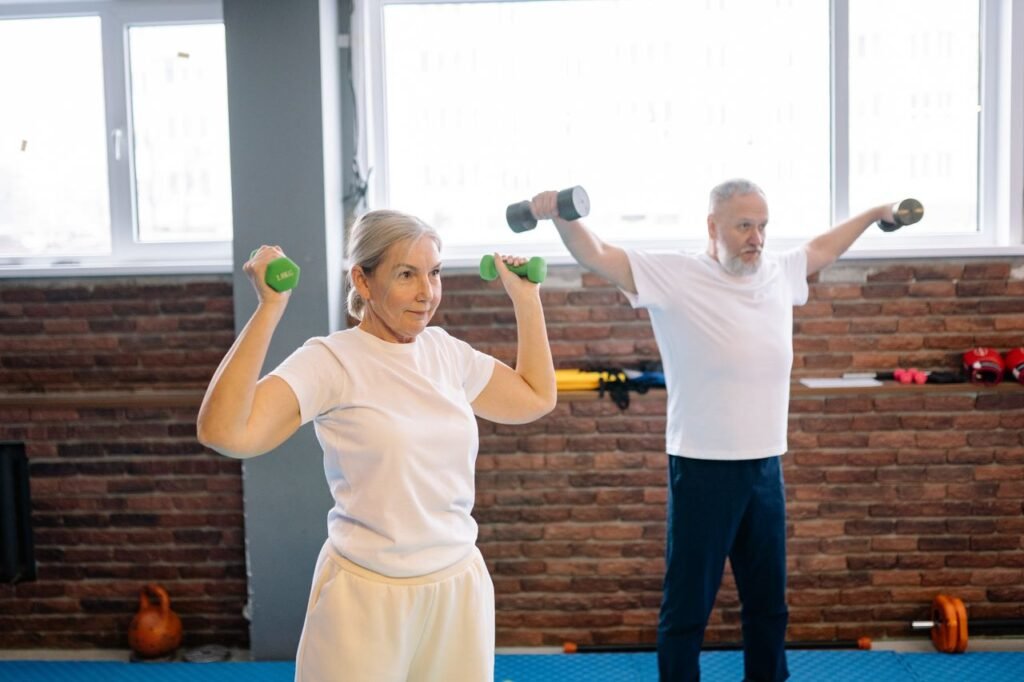
Bone health matters throughout life. Strong bones support everyday movement and physical activity, while reducing our risk of fractures – particularly as we grow older.
Although osteoporosis is more common later in life, looking after your bones should begin much earlier. The movement, exercise and nutrition choices we make throughout life can influence our bone strength both now and in the future.
Your bones are living tissue
Although bones may appear solid and unchanging, they are living tissues that are continually being renewed. Older bone tissue is broken down and replaced with new tissue through a process known as bone remodelling.
We build most of our bone mass during childhood, adolescence and early adulthood, generally reaching our peak bone mass by our late twenties. Bone density tends to remain relatively stable for a period before gradually declining with age. This loss can accelerate around menopause and later in life.
However, age is only part of the picture. Our bones also respond to how we use them.
When bones are regularly challenged through physical activity, they receive a signal that they need to remain strong. Without enough activity or load, the body may gradually reduce bone mass because it is no longer needed to support the same demands.
This means that appropriate exercise can help younger people build stronger bones, support adults to maintain their bone density and help reduce age-related bone loss.
What type of exercise helps strengthen bones?
For exercise to benefit your bones, it generally needs to challenge them beyond the demands of your usual daily activities.
The most effective programs usually include a combination of:
Progressive resistance training, such as lifting weights, using resistance machines or completing suitably challenging body-weight exercises.
Weight-bearing exercise, such as brisk walking, stair climbing, hiking or dancing.
Impact exercise, such as hopping, jumping, skipping or running, when appropriate for your body and current abilities.
Balance and functional exercise, particularly for older adults, to help improve stability and reduce the risk of falls.
Bones respond particularly well to activities that involve higher loads, changes of direction or short bursts of impact. However, “higher load” is relative. An appropriate challenge for one person may be unsuitable for someone else.
Regular walking is beneficial for your overall health, but walking alone may not provide enough stimulus to significantly improve bone density. Adding resistance training and, where safe, some higher-impact activity can provide a greater challenge to your bones.
You don’t need to exercise for hours
Bone-strengthening exercise does not need to take up your entire day. Short bouts of appropriately challenging resistance or impact exercise can be beneficial when completed consistently.
The important factors are the type and intensity of the exercise, how regularly you perform it and whether it is gradually progressed as your body adapts.
Exercise also provides benefits beyond bone density. It can improve muscle strength, balance, coordination and confidence – all of which can help reduce the likelihood of falling and sustaining a fracture.
Is bone-strengthening exercise safe?
Resistance and weight-bearing exercise can be safe and valuable for people of many ages and ability levels, including those diagnosed with osteopenia or osteoporosis. However, the safest starting point will depend on your bone health, medical history, current strength and previous exercise experience.
If you have osteoporosis, a history of low-trauma fractures, significant balance difficulties or other health concerns, seek guidance from an appropriately qualified health professional before beginning higher-impact activities or lifting heavy weights.
You can learn more about your potential risk by completing the Know Your Bones self-assessment from Healthy Bones Australia.
Even if you are younger or not currently at risk of osteoporosis, your body still needs time to adapt. If you cannot remember the last time you jumped or lifted weights, don’t begin with the hardest version of the exercise. Start at a manageable level and progressively increase the load as your strength and confidence improve.
Allow adequate recovery between demanding sessions, particularly when you are beginning a new program.
Take the next step towards stronger bones
Not sure whether your current exercise routine is doing enough for your bones?
Our physiotherapists at Spearwood Physio can assess your current strength, balance, health risks and exercise experience. We can then develop a safe, progressive program suited to your body and your goals – whether you want to build bone strength, manage osteopenia or osteoporosis, return to exercise or remain active as you get older.
Book an appointment today and let us help you build stronger bones for the future.