
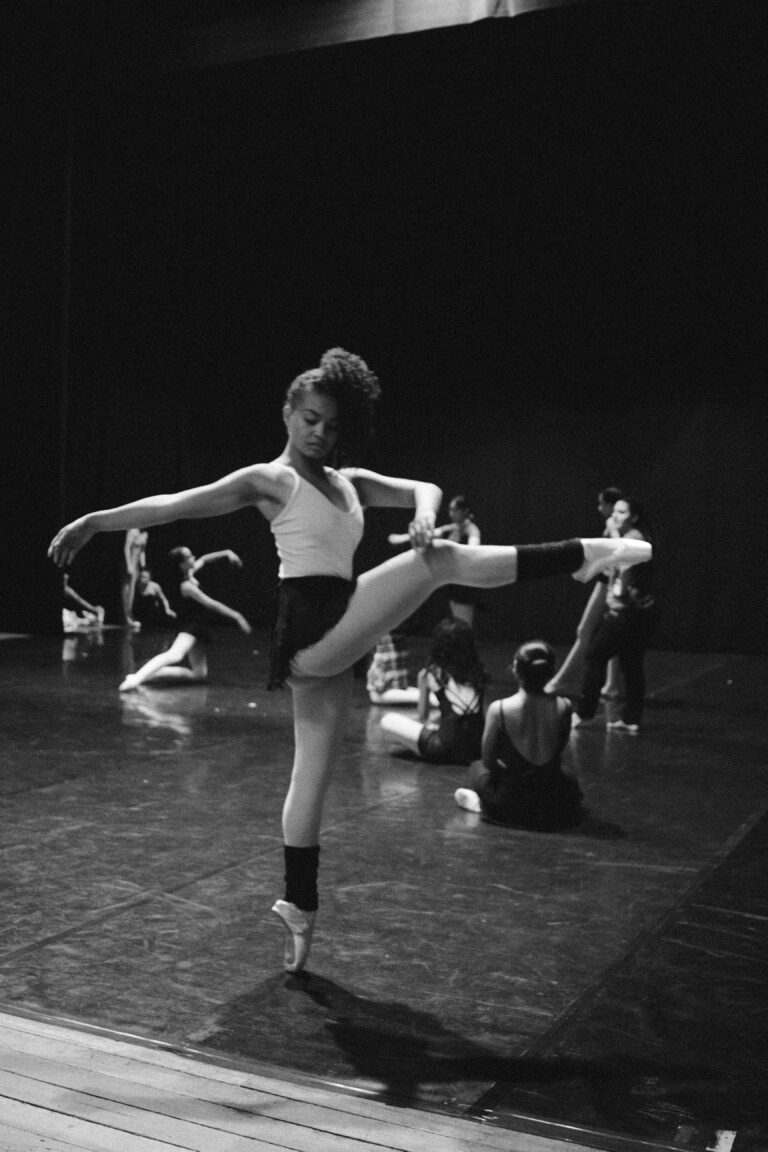
Concert season is one of the most exciting times of the year for dancers and dance schools. Costumes are ready, choreography is polished, and every dancer is working hard to bring their best performance to the stage. But with extra rehearsals, long days, and growing fatigue, the physical load on the body increases dramatically.
We understand how busy and physically demanding concert season can be for dancers and teachers alike. By supporting the body through smart warm-ups, targeted strength work, and recovery, dancers can move confidently into performance week. Without the right preparation and recovery, this can quickly lead to overuse injuries, muscle tightness, and reduced performance quality.
Here are our top strategies to help dancers stay strong, confident, and injury-free through concert season.
1. Dynamic Warm-Ups: Preparing the Body for Performance
A proper warm-up is more than just stretching. Before demanding choreography or run-throughs, dancers need to prepare their bodies dynamically with movement that gradually increases heart rate, joint mobility, and muscle activation.
Dynamic warm-ups might include:
- Arm circles, leg swings, and spinal rolls to improve joint range
- Core engagement and glute activation such as bridges or standing knee lifts
- Controlled rises and pliés to awaken balance and lower limb control
This type of movement primes the nervous system, improves proprioception, and helps dancers move with more control and fluidity on stage. It also significantly reduces the risk of strains and sprains that occur when cold muscles are pushed to full range or load.
2. Isometric Strength Work: Maintain Strength, Reduce Fatigue
During intense rehearsal blocks, dancers are already performing at high volumes. This is not the time to overload their muscles with heavy resistance training or endless repetitions. Instead, isometric strength work such as static holds where the muscle stays active without moving is ideal for maintaining conditioning without causing further fatigue.
Examples include:
- Arabesque holds to build posterior chain endurance
- Relevé holds to strengthen calves and intrinsic foot muscles
- Wall angels or plank variations to stabilise shoulders and core
Isometric work improves tendon resilience and muscular endurance, helping dancers maintain alignment and stability even when tired. It is particularly beneficial in the week or two leading up to performances, when energy needs to be conserved for stage runs.
3. Targeted Performance Enhancement: Precision Strength for Dancers
Every dancer’s body is different, and so are their strengths and weaknesses. Imbalances between left and right sides, reduced hip turnout, or limited jump mechanics can all affect performance and increase injury risk.
At Spearwood Physio, our Performance Enhancement Sessions are designed to identify and correct these individual variations using advanced testing tools such as:
- ForceDecks to assess jump height, landing control, and lower-limb asymmetry
- Dynamo to measure shoulder and hip strength, stability, and endurance
With this information, we can create targeted programs that build the specific strength and control dancers need, whether it is improving jump power, supporting turnout, or refining upper body carriage for pas de deux or lyrical work.
4. Managing Fatigue and Recovery: The Hidden Key to Longevity
In concert season, recovery often gets overlooked. Late-night rehearsals, full school days, and multiple routines can leave even experienced dancers depleted. Fatigue not only affects performance quality but also coordination, concentration, and injury risk.
Simple recovery strategies include:
- Hydration and nutrition: Encourage dancers to drink plenty of water and include slow-release carbohydrates and protein-rich snacks between rehearsals.
- Active recovery: Gentle stretching, walking, or yoga on rest days keeps the body moving without strain.
- Heat and mobility: Warm showers, foam rolling, and light mobility work help relieve tension and maintain flexibility.
- Sleep: At least 8 hours per night to allow tissues to repair and restore energy levels.
Parents and teachers can help by monitoring signs of fatigue such as sluggish movement, mood changes, or an increase in minor aches, all signals that the body needs rest and recovery time.
5. When to Seek Physiotherapy Support
If a dancer complains of pain that persists beyond 48 hours, worsens with activity, or limits range of motion, it is important to seek assessment early. Common concert-season issues include:
- Neck or upper back tightness from repetitive port de bras
- Hip impingement or snapping hip from turnout stress
- Foot and ankle pain from jumps and pointe work
- Shoulder and scapular fatigue from contemporary or acro routines
Early physiotherapy intervention can make the difference between managing a niggle and missing a performance. Our dance-specific assessments combine clinical testing with dance biomechanics to keep dancers performing safely and efficiently.
Concert-Season Check-Ups at Spearwood Physio
We are offering Concert-Season Check-Ups and Performance Enhancement Sessions to help dancers move into performance week with confidence and control. Each session includes:
- A movement and strength screen
- Manual therapy and recovery treatment if needed
- Tailored advice on strength, stability, and load management
Our goal is to help dancers feel their best: strong, flexible, and ready to shine on stage.
From all of us at Spearwood Physio, we wish every dancer a safe, strong, and successful concert season.
For more information please contact our lovely reception team on 08 9418 5505